Redefining Education: The Rise of Home Child Learning in the Digital Age
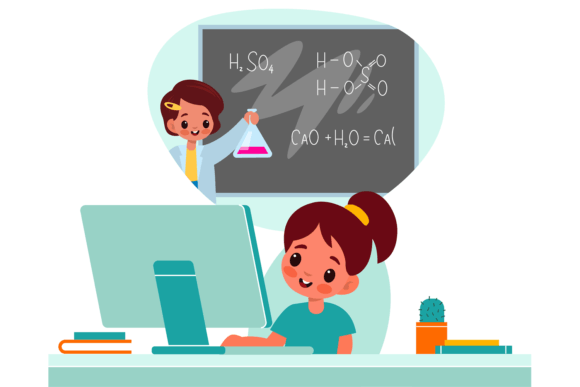
The landscape of education has shifted dramatically over the last decade, moving from the rigid structures of traditional brick-and-mortar classrooms to flexible, personalized environments. At the heart of this transformation is the concept of Home Child Learning. It is no longer just a backup plan for bad weather or illness; it has become a deliberate, strategic choice for families seeking tailored educational experiences. When we visualize this shift, the image that often comes to mind is strikingly simple yet profound: a little girl sitting at a desk, fully engaged with a computer screen displaying a complex chemistry lesson. This scene encapsulates the essence of modern distance schooling—a blend of curiosity, technology, and focused independence.
The Evolution of the Virtual Classroom
Gone are the days when online learning was synonymous with static worksheets and disconnected video lectures. Today, digital platforms offer immersive, interactive experiences that rival, and sometimes surpass, traditional methods. The scenario of a pupil watching a seminar from their living room has evolved into a dynamic exchange where students can ask questions in real-time, manipulate 3D models of molecules, and collaborate with peers across the globe. This evolution is not merely about convenience; it is about accessibility and depth.
Consider the student studying advanced sciences. In a crowded physical classroom, a teacher might have to rush through a demonstration due to time constraints. In a home setting, that same student can pause the video, rewind to understand a specific reaction, and then explore supplementary materials at their own pace. This level of control fosters a deeper understanding of the subject matter. The visual of a little girl sitting intently as she navigates a virtual lab represents more than just homework; it represents an active, self-directed journey into knowledge.
Key Characteristics of Effective Remote Education
Successful home-based education relies on several critical pillars. First and foremost is the quality of the digital curriculum. Modern programs are designed to be engaging, utilizing gamification, interactive quizzes, and multimedia content to keep young minds stimulated. Second is the role of the facilitator, whether that is a parent, a tutor, or a dedicated online instructor. Their job is to guide the learning process, provide emotional support, and ensure that technical hurdles do not derail progress.
Furthermore, the environment plays a crucial role. A dedicated space, such as a quiet corner with a proper desk and ergonomic chair, helps signal to the brain that it is time to focus. This setup mirrors the professional vector cartoons often used to illustrate these concepts: a clean, isolated workspace where the only distraction is the fascinating content on the screen. The absence of hallway chatter and social pressures allows children to dive deep into topics like chemistry, history, or coding without interruption.
Tailoring the Experience to Individual Needs
One of the most significant advantages of Home Child Learning is its adaptability. Every child learns differently. Some thrive with visual aids, while others need auditory explanations or hands-on practice. Traditional schools often struggle to accommodate every learning style simultaneously due to large class sizes. In contrast, home learning environments allow for a bespoke approach.
Imagine a child who struggles with reading but excels in logical reasoning. An online platform can adjust the delivery method, offering more video content and interactive puzzles rather than dense text. This customization ensures that the child remains confident and motivated. The image of a pupil watching a seminar is not passive; it is an active engagement where the content is perfectly matched to their current skill level and interests. Whether it is mastering algebra or understanding the periodic table, the pace is set by the learner, not the bell schedule.
Integrating Technology into Daily Routines
Technology is the backbone of this educational model, but it is how it is integrated that matters. It is not enough to simply hand a child a tablet; there must be a structured workflow. This involves scheduling regular breaks, setting clear goals for each session, and using software that tracks progress. Parents play a vital role in curating these tools, ensuring they are age-appropriate and secure.
For instance, a chemistry lesson might begin with a short video lecture, followed by a virtual simulation where the student mixes elements to see the results. Afterward, they might join a live discussion group to debate the outcomes with classmates. This multi-modal approach keeps the learning fresh and prevents burnout. The flexibility allows families to fit education around other activities, such as sports, arts, or family time, creating a more balanced lifestyle.
Building Social and Emotional Skills
A common misconception about distance school is that it isolates children. However, when implemented correctly, it can foster strong social skills in unique ways. Online communities bring together diverse groups of students who share specific interests, allowing for connections that might not happen in a neighborhood school. A child interested in robotics can find a global community of peers, collaborating on projects and sharing ideas.
Moreover, the home environment provides a safe space for children to develop confidence. Without the fear of immediate peer judgment, many students feel more comfortable asking questions and expressing their thoughts. The little girl sitting at her desk, raising her hand virtually to answer a question, is exercising courage and communication skills just as much as a student in a physical auditorium. These interactions teach digital etiquette, empathy, and collaboration—skills that are increasingly vital in our connected world.
Navigating Challenges and Setting Boundaries
Despite the benefits, there are challenges to consider. Screen time management is a primary concern for parents. It is essential to establish clear boundaries regarding device usage outside of learning hours. Encouraging outdoor play, reading physical books, and engaging in non-digital hobbies helps maintain a healthy balance.
Additionally, motivation can wane without the external structure of a school day. Creating a consistent routine is key. Visual schedules, reward systems, and celebrating small victories can help maintain momentum. Parents should also be prepared to troubleshoot technical issues and advocate for their child's needs with online instructors. The goal is to create a supportive ecosystem where the child feels valued and challenged.
Preparing for the Future Workforce
The skills developed through Home Child Learning are directly transferable to the future workforce. Self-discipline, time management, and digital literacy are highly sought-after traits in today's job market. Children who learn to navigate online platforms, manage their own schedules, and communicate effectively via digital channels are better prepared for remote work and collaborative projects.
Furthermore, the ability to learn independently is a superpower in a rapidly changing world. As industries evolve and new technologies emerge, the capacity to upskill quickly becomes paramount. The experience of a pupil watching a seminar and synthesizing information on their own builds a foundation for lifelong learning. They learn how to find resources, evaluate information, and apply knowledge creatively.
Choosing the Right Path for Your Family
Deciding to adopt a home learning model requires careful consideration. Families should assess their child's learning style, their own availability to support the process, and the quality of available programs. Visiting demo classes, reading reviews, and talking to other families can provide valuable insights. It is also important to remain open to hybrid approaches, where some subjects are learned at home while others take place in a physical setting.
Ultimately, the decision should align with the family's values and the child's unique needs. Whether it is a full-time commitment or a supplement to traditional schooling, the potential for growth is immense. The vision of a little girl sitting at her desk, exploring the wonders of science, represents a future where education is accessible, personalized, and limitless. By embracing these changes, we empower the next generation to thrive in a digital world, turning the challenges of distance into opportunities for discovery.